
Cutting Through the Noise: Dr. Muneeb Shah Debunks Skincare's Biggest Trends - E. 860
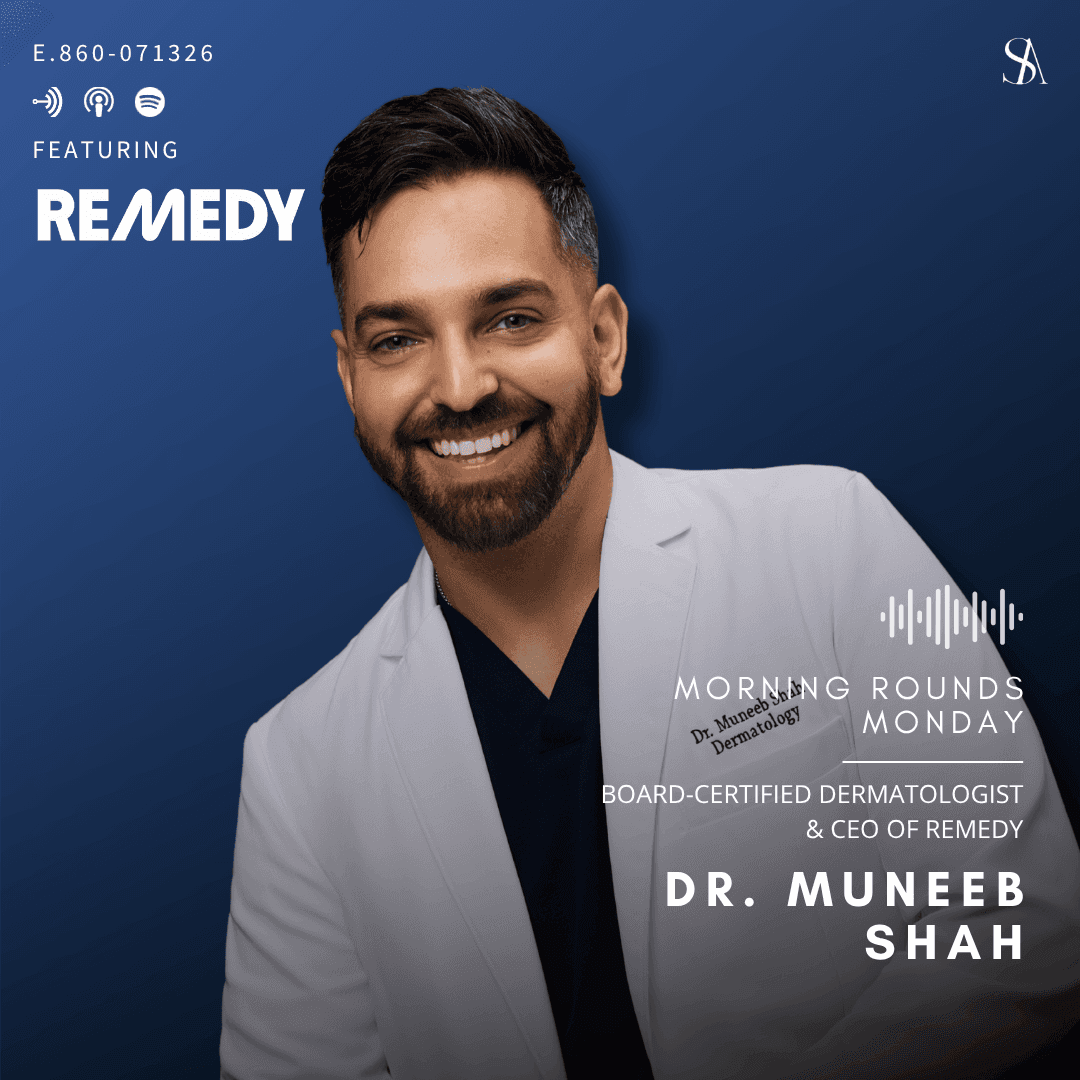
As skincare enters a new era of rapid innovation, consumers are faced with an overwhelming number of products, ingredients, and trends. In this episode of Skin Anarchy, Dr. Ekta Yadav welcomes dermatologist, educator, and Remedy founder Dr. Muneeb Shah to discuss how evidence-based skincare can cut through the noise. From building one of the world's largest dermatology education platforms to launching Remedy, Dr. Shah shares why effective skincare starts with science—not marketing—and why the future of dermatology depends on education, thoughtful formulation, and multidisciplinary collaboration.
Building a Brand from Real Patient Needs
Long before launching Remedy, Dr. Shah built his reputation by educating millions of people online. What began as a way to combat misinformation during the pandemic evolved into one of the largest dermatology education platforms in the world. Along the way, consulting with skincare brands exposed him to product development from the inside.
That experience revealed an opportunity. Rather than creating another trend-driven skincare line, Dr. Shah wanted to develop products the same way dermatologists approach treatment in the clinic—starting with patient needs rather than marketing trends.
This philosophy became the foundation of Remedy. Every formula begins by identifying a real clinical problem, then combining well-studied ingredients that work together in thoughtful, stable formulations. Rather than chasing the latest viral ingredient, the brand focuses on ingredients that have consistently demonstrated efficacy, including retinoids, niacinamide, azelaic acid, alpha hydroxy acids, ceramides, and select peptides.
Why Great Products Take Time
One of the central themes of the conversation is the difference between simply launching products and creating truly effective formulations.
Dr. Shah explains that while white-label skincare has made product launches easier than ever, developing original formulations remains a lengthy scientific process involving repeated testing, reformulation, stability studies, and ingredient optimization.
He shares the example of Remedy's vitamin C serum, which required dozens of formulation iterations before achieving the stability and performance standards the team was seeking. For Dr. Shah, this commitment to formulation science ultimately separates products built for long-term trust from those built around short-lived trends.
Marketing Should Follow the Formula—Not the Other Way Around
The discussion also examines how ingredient trends shape today's skincare landscape.
As new ingredients rapidly gain popularity, many brands respond by releasing nearly identical formulations built around whatever ingredient is trending at the moment. Dr. Shah cautions that this often results in products driven more by marketing than clinical need.
Instead, he believes formulation should always begin with the patient. Marketing can help explain a product, but it should never determine which product gets created. While trends may help introduce consumers to new technologies, lasting brands are built around products that solve genuine skincare concerns rather than temporary excitement.
Navigating GLP-1s and Skin Health
The conversation shifts to one of today's fastest-growing health topics: GLP-1 medications and their effects on the skin.
With millions of people now using medications for weight management, dermatologists are increasingly seeing patients experiencing rapid facial volume loss, skin laxity, and changes in overall skin quality. Dr. Shah explains that these changes are not unique to GLP-1 medications themselves, but rather reflect the speed of weight loss.
He emphasizes that skincare alone cannot fully compensate for dramatic facial volume loss. However, supporting collagen production through topical retinoids, alpha hydroxy acids, peptides, and collagen-supporting ingredients may help maintain skin quality throughout the process.
Equally important, he highlights something often overlooked in dermatology conversations: nutrition. Adequate protein intake, balanced nutrition, and proper supplementation become critical during rapid weight loss to help preserve muscle mass, support skin health, and maintain overall physiological function.
Longevity Requires More Than Great Skin
As longevity becomes one of beauty's fastest-growing categories, Dr. Shah offers a balanced perspective on what the movement actually represents.
Rather than viewing longevity as simply another version of anti-aging, he sees it as a broader conversation about optimizing long-term health. While he is excited by emerging technologies—including peptides and regenerative medicine—he also believes the current pace of innovation has outgrown existing regulatory frameworks.
The growing accessibility of peptides, telemedicine, and advanced aesthetic treatments creates enormous opportunities, but also raises important questions about safety, oversight, and responsible medical practice.
For Dr. Shah, the future of longevity will require greater collaboration across medical specialties. Dermatologists, nutritionists, endocrinologists, immunologists, and primary care physicians all have important perspectives that should contribute to patient care as medicine becomes increasingly preventative and interconnected.
Communicating Science Responsibly
Perhaps the most valuable part of the conversation centers on science communication itself.
With millions of followers across social media, Dr. Shah discusses the responsibility that comes with educating large audiences. Rather than speaking in absolutes, he believes experts should acknowledge uncertainty whenever evidence remains incomplete.
Using examples ranging from sunscreen research to emerging peptide therapies, he explains that scientific knowledge is constantly evolving. Building trust requires humility, transparency, and a willingness to update recommendations as new evidence emerges.
He also encourages young physicians and scientists to contribute their own voices online. Rather than competing for attention, he believes the skincare community benefits from diverse perspectives—including dermatologists, chemists, researchers, formulators, and knowledgeable skincare enthusiasts—all contributing different pieces of the larger conversation.
Looking Ahead
As skincare becomes increasingly sophisticated, Dr. Shah believes the industry's greatest opportunity lies not simply in creating better products, but in creating better-informed consumers. Through thoughtful education, responsible communication, and clinically grounded formulation, brands can move beyond trends and help people make decisions that truly improve long-term skin health.
Listen to the full episode of Skin Anarchy to hear Dr. Muneeb Shah discuss the philosophy behind Remedy, the future of longevity in dermatology, and why the most important ingredient in skincare may still be trustworthy education.