

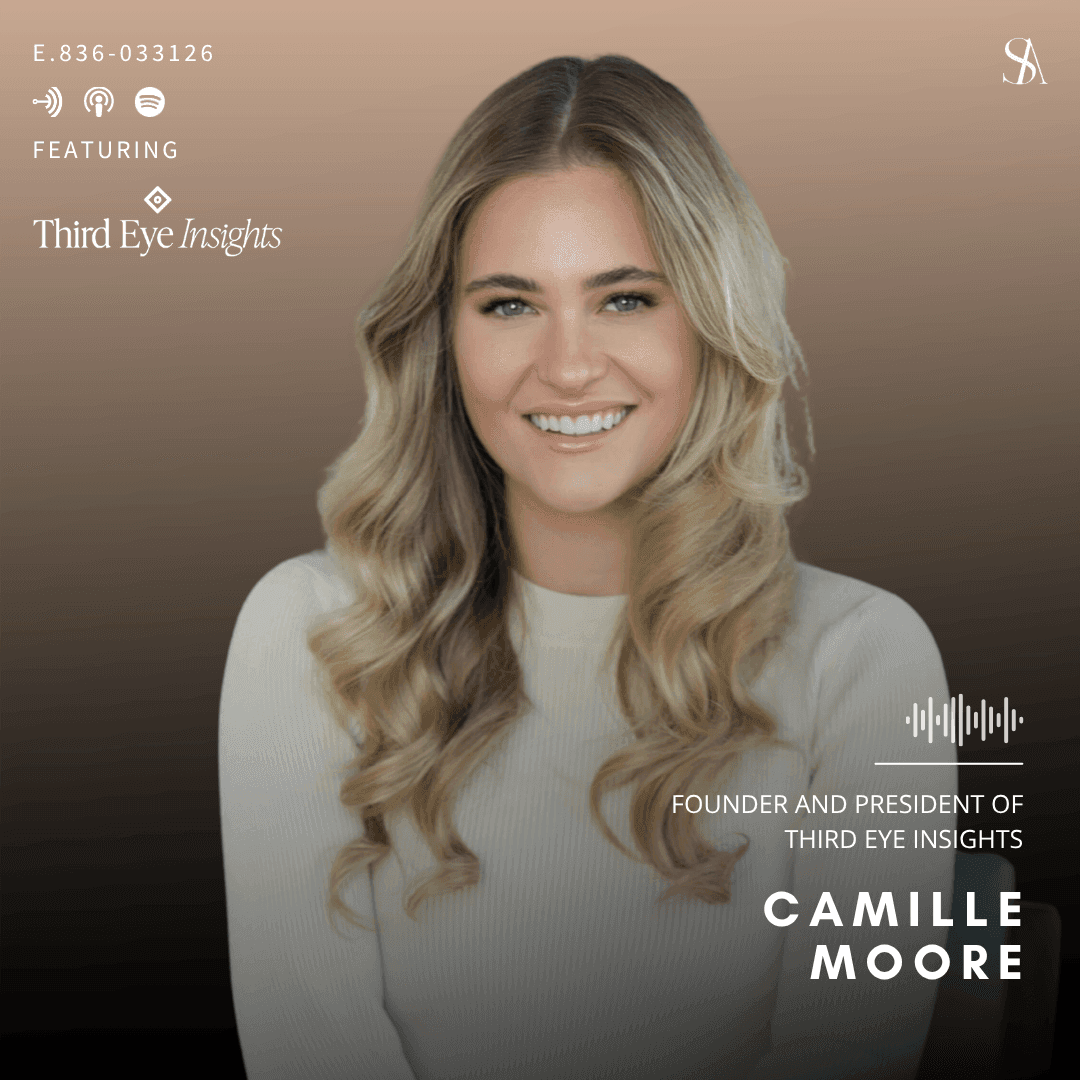
In this episode of Skin Anarchy, Dr. Ekta Yadav sits down with branding and marketing strategist Camille Moore to unpack one of the most misunderstood areas in the beauty industry: how brands actually grow.
At a time when the market feels more saturated than ever, many founders believe success comes from “showing up” on social media. But according to Moore, that’s where most brands go wrong. Social media is not the brand—it’s an extension of it.
The brands that succeed aren’t just posting content. They’re building a cohesive system where every touchpoint—from packaging to customer experience to digital presence—feels aligned. When that system breaks, consumers don’t complain—they simply move on.
From “Boring Industries” to High-Growth Brands
Moore’s path into beauty didn’t begin with luxury brands or viral moments. It started with what she calls the “unglamorous” side of business—working with service providers like law firms, medical spas, and real estate professionals.
That foundation became her advantage.
By learning how to market industries that didn’t naturally attract attention, she mastered the fundamentals of demand creation. When social media began transforming consumer behavior, she was already equipped with the principles that actually drive sales.
Her insight is simple but often overlooked: if you can sell something that isn’t inherently exciting, you can sell anything.
Why Content Isn’t About Selling
One of the most powerful ideas from the episode challenges a common assumption: that social media should directly drive sales.
Moore argues the opposite.
Consumers don’t go online to be sold to—they go to be entertained, educated, or connected. Sales become a byproduct of trust, not the goal of each post. By consistently delivering value, brands position themselves as the obvious choice when the consumer is ready to buy.
This shift—from transactional content to relational content—is what separates high-performing brands from those struggling to convert.
Authenticity Isn’t a Style—It’s Alignment
As conversations around “authenticity” dominate marketing, Moore reframes the concept entirely.
Authenticity isn’t about tone or personality—it’s about alignment.
A brand cannot position itself as disruptive while producing safe, indistinguishable content. Nor can it claim luxury while behaving inconsistently across touchpoints. The strongest brands succeed because their identity is clear and consistently expressed.
She compares branding to a symphony: social media is just one instrument. The real impact comes from how everything works together.
The Myth of the “Social Media Formula”
For founders searching for a step-by-step blueprint, Moore offers a reality check: there is no universal formula.
Branding is not binary. It’s not about copying what works for someone else—it’s about identifying what is uniquely yours and building around it. That process requires both self-awareness and strategic clarity, not just trend adoption.
The challenge is that branding feels simple—but it isn’t easy. It requires the same level of discipline and study as any other high-level skill.
Building in Public vs. Launching in Silence
Another major takeaway from the conversation is the importance of building a brand in public.
Many founders wait until everything is “perfect” before launching. But Moore argues this approach is outdated. Today, the most successful brands bring their audience into the process—sharing decisions, iterations, and even setbacks along the way.
This not only builds trust but creates demand before the product even launches.
Brand, in this sense, is not a destination—it’s an ongoing narrative.
The Reality Behind Retail Success
The episode also tackles a topic often glamorized in beauty: retail expansion.
While landing in major retailers can feel like “making it,” Moore highlights the operational reality behind those partnerships. High margins, marketing costs, inventory demands, and constant pressure to maintain visibility make retail success far more complex than it appears.
At the same time, the rise of direct-to-consumer channels and platforms like TikTok Shop has fundamentally changed the landscape.
Brands no longer need traditional retail to succeed—but they do need a clear strategy.
The Future of Beauty Belongs to Brands That Think Differently
At its core, this conversation reframes how we think about growth in beauty.
It’s no longer enough to have a great product or aesthetic branding. The brands that will win are the ones that understand how to build connection, maintain consistency, and evolve with their audience.
Because in today’s market, attention isn’t captured—it’s earned.
Listen to the full episode of Skin Anarchy to hear Camille Moore break down how modern brands are built—from content strategy to brand identity to the realities of scaling in today’s beauty landscape.