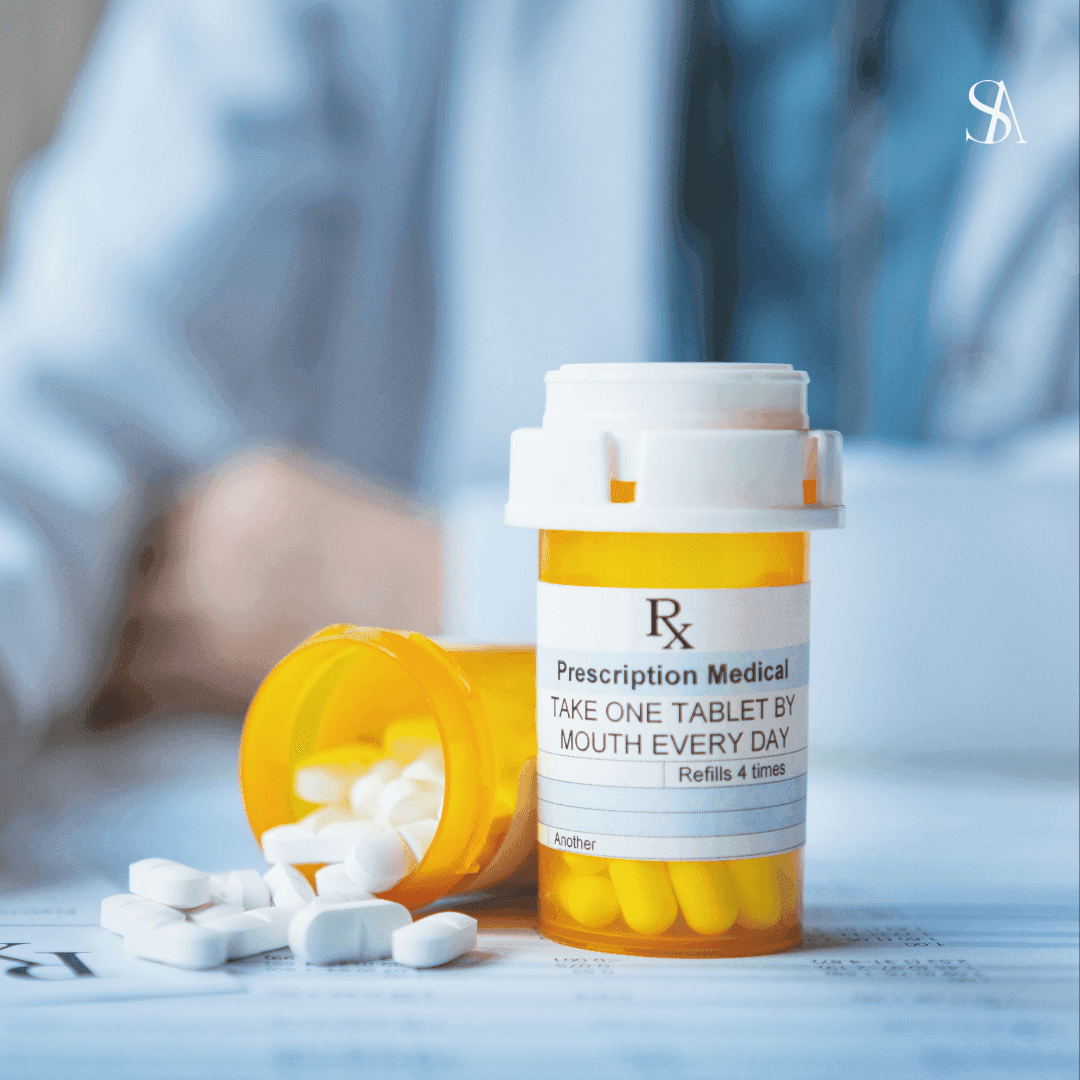
Acne is a common skin issue that affects millions of people around the world and can be tough to deal with. Many people try over-the-counter treatments, prescription drugs, and specific skincare routines, but these options don’t always work for everyone.
Recently, spironolactone, a drug usually used for high blood pressure and heart problems, has become popular as an acne treatment. Dermatologists are now recommending spironolactone, especially for women, because of how it works and its effectiveness.
Understanding Spironolactone
Spironolactone is a diuretic that helps the body retain potassium while getting rid of excess water. It has been used for many years to treat conditions such as high blood pressure, heart failure, and swelling. The medication works by blocking aldosterone, a hormone that controls salt and water levels in the body. Additionally, spironolactone has properties that can reduce the effects of male hormones like testosterone, which is why it’s often used to treat hormonal acne. [1]
The Role of Hormones in Acne
Hormonal imbalances can significantly contribute to acne, particularly in women. Androgens, such as testosterone, trigger the sebaceous glands to produce excess oil (sebum). This extra oil, along with dead skin cells and bacteria, clogs pores, causing inflammation and acne. Hormonal acne often appears as deep cysts around the jawline, chin, and cheeks, and these breakouts usually become worse around menstruation, during pregnancy, or with conditions like polycystic ovary syndrome (PCOS), where androgen levels are higher. [2]
How Spironolactone Helps with Acne
Spironolactone helps reduce acne by blocking androgen receptors in the skin, which decreases oil production and addresses hormonal causes of breakouts. This leads to clearer skin and fewer severe acne episodes. Unlike topical treatments that only affect the surface, spironolactone works throughout the body, making it especially useful for stubborn or severe hormonal acne.
What’s the dosage?
Spironolactone is commonly prescribed as an oral medication, available in tablet form, with dosages typically ranging from 25 milligrams (mg) to 200 mg per day. Healthcare providers usually begin treatment with a lower dose and may gradually increase it based on individual tolerance and response to therapy. [1]
Research indicates that a daily dose of 50 mg is often effective for many individuals in managing hormonal acne. This medication works by blocking androgens, which are hormones that can contribute to acne formation. It’s important to monitor for any side effects during treatment, which can include dizziness, irregular menstrual cycles, or changes in potassium levels. [1]
How long will it take to work?
Many people can see less acne and oiliness within a few weeks of starting oral spironolactone. However, most acne treatments usually take at least three months of regular use for noticeable improvements.
Why People Are Using Spironolactone for Acne
1. Effectiveness for Hormonal Acne: Many individuals turn to spironolactone after trying other acne treatments without success. For those with hormonal acne, topical treatments like retinoids or benzoyl peroxide may not adequately address the underlying issue. Spironolactone’s targeted mechanism offers a solution for these cases, often producing visible improvements within a few months.
2. Non-Antibiotic Alternative: Long-term use of antibiotics for acne can lead to antibiotic resistance and other side effects. Spironolactone offers a non-antibiotic option for managing acne, making it a preferable choice for many patients.
3. Minimal Side Effects: While all medications carry potential side effects, spironolactone is generally well-tolerated when prescribed in low doses for acne. Common side effects, such as increased urination and mild breast tenderness, are often manageable.
4. Addressing Multiple Conditions: Spironolactone can be especially beneficial for those with conditions like PCOS, as it not only helps clear up acne but also alleviates symptoms like hirsutism (excessive hair growth) and irregular menstrual cycles.
5. Endorsement by Dermatologists: Many dermatologists recommend spironolactone because it addresses the hormonal component of acne, which is often overlooked by traditional treatments. Its safety profile and efficacy make it a go-to option for many practitioners.
Dermatologists’ Perspective on Spironolactone
1. Evidence-Based Results: Various studies indicate that spironolactone is effective in treating hormonal acne. Research demonstrates that this medication can significantly decrease acne lesions, with many patients observing a 50–100% improvement after regular use.
2. Customizable Treatment: Dermatologists appreciate the flexibility of spironolactone. Dosages can be tailored to the patient’s specific needs, and it can be used alone or in combination with other acne treatments, such as topical retinoids or oral contraceptives.
3. Long-Term Safety: Unlike other acne treatments that may pose risks with extended use, spironolactone is regarded as a safe option for the long-term treatment of hormonal acne. Dermatologists closely monitor patients to ensure that there are no negative impacts on potassium levels or kidney function.
4. Focused on Women’s Health: Spironolactone is mainly prescribed for women because of its anti-androgenic properties. In men, it may lead to side effects such as breast enlargement and decreased libido, which makes it a less favorable option. For women, however, it provides a focused method for addressing acne linked to hormonal changes.
5. Patient Satisfaction: Dermatologists often receive positive feedback from patients who have tried spironolactone. The medication’s ability to deliver noticeable and lasting improvements in acne can significantly enhance a patient’s quality of life and self-esteem. [2]
Potential Drawbacks and Considerations
Like every prescribed medication, there are alwats drawbacks and things to consider before consuming:
• Not Suitable for Everyone: Spironolactone is not recommended for pregnant or breastfeeding women due to potential risks to the baby. Additionally, individuals with kidney disease or conditions affecting potassium balance may not be suitable candidates.
• Delayed Results: Like many acne treatments, spironolactone takes time to work. Patients may need to wait several weeks to months before seeing significant improvements, which can be frustrating for those seeking immediate results.
• Monitoring Required: Regular monitoring of potassium levels and kidney function is essential during spironolactone treatment. Although rare, hyperkalemia (elevated potassium levels) can occur, necessitating periodic blood tests.
• Side Effects: While generally mild, side effects such as menstrual irregularities, breast tenderness, and fatigue may occur. These issues are usually manageable with dose adjustments or additional medications like oral contraceptives.