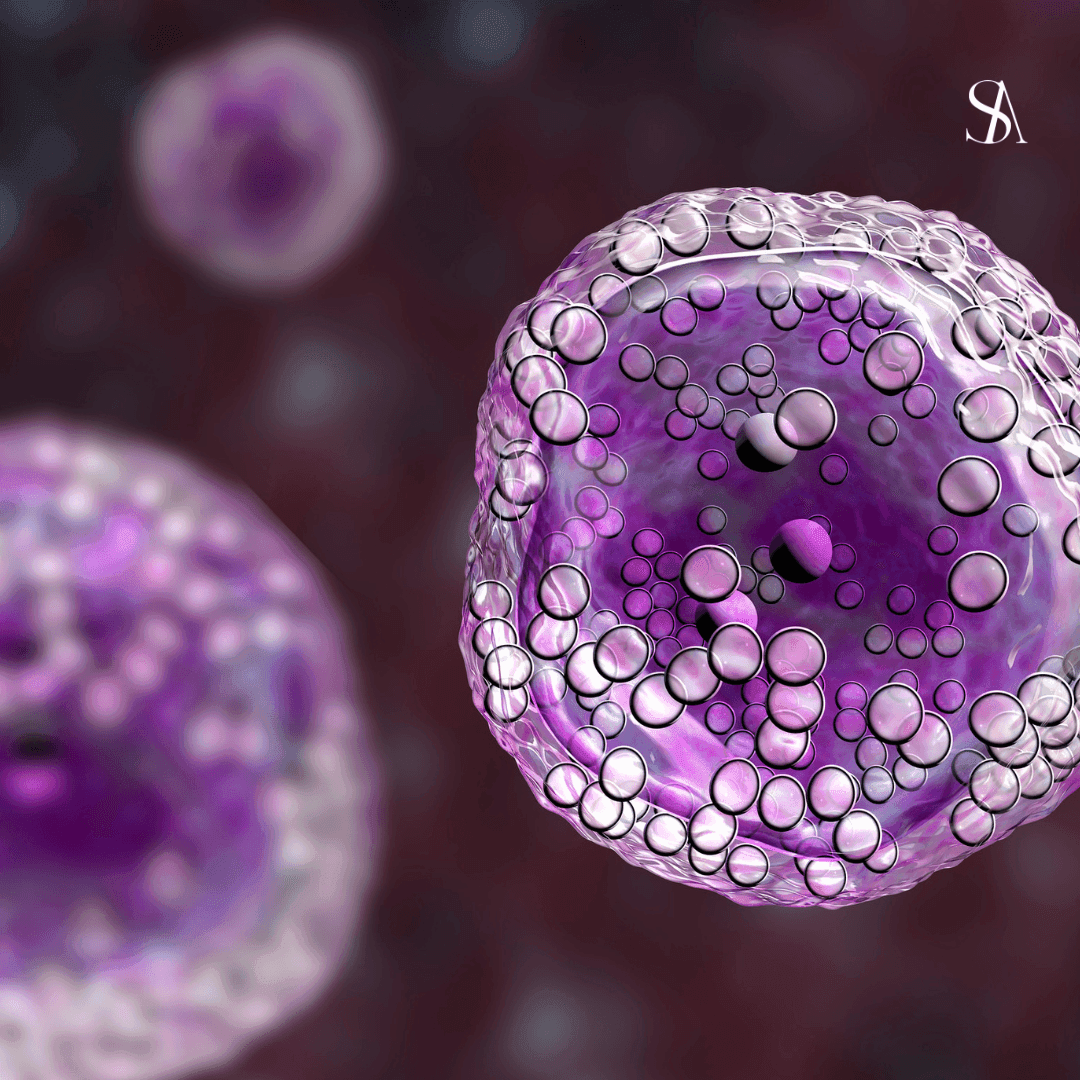
In the evolving world of skincare, one of the most promising breakthroughs is the use of senolytics — compounds that target and eliminate senescent cells. Often referred to as “zombie cells”, these aged, inactive cells accumulate over time, contributing to inflammation, tissue damage, and visible signs of aging. By clearing these cells, senolytic offer a powerful science-backed approach to skin rejuvenation and overall skin health.
What Are Senolytics?
Senolytics are agents that target and selectively destroy senescent cells, or “zombie cells”, which are those that have stopped dividing but haven’t died.
These dysfunctional cells linger in the body, releasing harmful inflammatory signals that accelerate aging and increase the risk of age-related diseases including cancer and inflammatory disorders of the skin and gut.
How Do Senolytics Work in Skin Care?
In skincare formulations, senolytics are used to clear out the cellular waste that accumulates in the skin over time. By doing so, they can:
- Improve skin texture and elasticity
- Reduce fine lines and wrinkles
- Brighten dull, aging skin
- Support natural collagen production
- Prevent premature aging at the cellular level
Types of Senolytics in Skincare
There are both natural and synthetic senolytic compounds now being used in skincare products and research. Here are some of the most promising options:
- Quercetin — A flavonoid found in citrus fruits and leafy green vegetables, quercetin has powerful antioxidant and anti-inflammatory properties. It is also available as a dietary supplement and is known to enhance the removal of senescent cells.
- Gingererenone A — Derived from ginger, this compound not only supports skin health but also helps fight colitis, colon cancer, and inflammatory bowel disease. It regulates blood sugar level and fights free radical damage. Available as a supplement and in many serums, gingerernome is beneficial both topically and internally.
- Eterwell Youth — Eterwell Youth is a 100% natural, but name-brand senolytic derived from Alpine Willowherb that boasts the ability for consumers to look “9 years younger in just 3 months” (dsm-firmenich). It is a plant-based compound gaining popularity in anti-aging skincare for its gentle yet effective activity.
- Dasatinib — Primarily used in clinical settings for cancer therapy, Dasatinab has shown potent senolytic activity. While not common in over-the-counter skin care, it highlights the growing medical interest in senolytic science.
- SenoAid — Another brand name, SenoAid blends quercetin, fisetin, and green tea extract for maximum results as a pill-form supplement. SenoAid takes a multi-pronged approach to senescent cell clearance and antioxidant protection.
- Celyscence — An emerging and trademarked ingredient from Clariant skincare, Ceylscence includes milk thistle extract and is designed to rejuvenate skin by targeting senescence-related damage. Ongoing studies so far have been successful with celyscence in neck creams and serums, while representing the cutting edge of senolytic-based cosmetics.
Why Senolytics Matter for Anti-aging Skincare
Traditional anti-aging products often focus on surface-level concerns: hydration, exfoliation, and protection. Senolytics, however, go deeper, working at the cellular level to address the root cause of aging — cellular senescence. In a sense, senolytics work proactively to solve the problem before it becomes a problem — they destroy the cells that cause signs of aging, like wrinkles, that most products seek to reverse.
Final Thoughts
Senolytics represent a new frontier in anti-aging skincare. Whether you’re dealing with dullness, fine lines, wrinkles, or chronic inflammation, these compounds offer a science-backed strategy to revitalize your skins from the inside out.
As more research emerges and formulations evolve, senolytics are poised to become a stape in future-forward skin care routines. Keep an eye out for these powerful ingredients as they become more widely available in both high end and clinical-grade skin products.