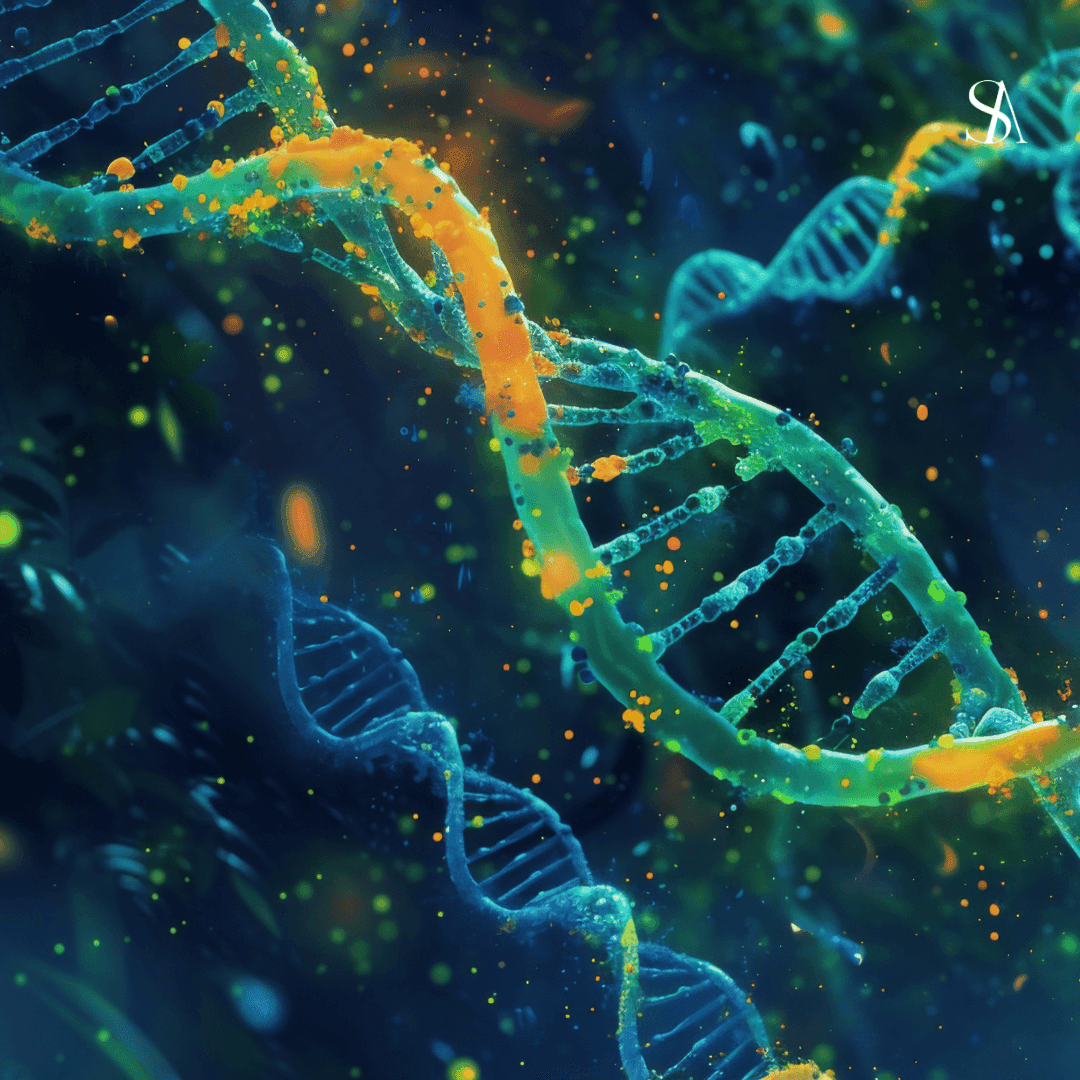
In the ever-changing world of aesthetic medicine, one treatment has recently surged in popularity across Korea and Europe: polynucleotide injections. Unlike traditional fillers that add volume or freeze muscle movement, polynucleotides work on a cellular level — prompting genetic functions and promoting true skin regeneration and health from within.
What Are Polynucleotides?
Polynucleotides are chains of DNA molecules derived from salmon or trout sperm — highly purified and biocompatible. “Poly” means “many” and a “nucleotide” is a molecule of acids like DNA and RNA that transmit genetic information. When injected into the skin, these molecules act as powerful stimulators for healthy movement in skin, hydration, and regeneration by sending genetic codes from the sperm cell material to the skin cells. Their role is to improve the skin’s microenvironment by supporting fibroblast function. To do this, polynucleotides help fibroblasts produce more collagen and thus speed up overall skin cell turnover. So what does this mean? Fibroblasts make collagen. Collagen builds skin. (elastin supports the collagen structures). These processes occur in the dermis of the skin — the deepest layer. When new skin cells are formed there, the skin cells in the upper layers of the skin can replace themselves more quickly.
How do They Work?
Polynucleotides work to revive tired, damaged, and aging skin — unlike other injectables that plump the skin or paralyze muscles to remedy the appearance of wrinkings.
- Fibroblast Activity: fibroblasts are cells that produce the connective tissue (collagen) that maintains the structural integrity of skin → more collagen and elastic directly leads to reduction of wrinkles and fine lines by encouraging the skin to rebuild itself and rebound more quickly
Polynucleotides function by enhancing elasticity, reducing fine lines, improving texture, and supporting the skin’s natural barrier. The result? A radiant, healthier-looking complexion that continues to improve over time.
How are Polynucleotides Harvested?
- Sperm Collection: (fish trout or salmon) are farmed or caught and their sperm is extracted through abdominal massage
- DNA Extraction: DNA is extracted from the sperm cells
- Purification: the extracted DNA is purified to remove pathogens and ensure high-quality polynucleotide chains
- Processing: the purified polynucleotides are processed again to create injectable solutions
Around the World
In Korea — a leader in skincare innovation — polynucleotide injections have been dubbed the “skin booster of the future”. Korean patients tend to opt for it as a preventative anti-aging measure attracted by its regenerative effects and natural results. In Europe, where patients prefer a supple appearance and prioritize skin quality over volume, these injections have become a staple for clinics focusing on skin health and longevity.
Key Benefits of Polynucleotides
- Improve skin elasticity and firmness, which minimizes fine lines and wrinkles
- Stimulates collagen production
- Enhances skin tone and texture
- Encourages overall regenesis
- Non-volumizing and natural looking
- Minimally invasive
- Wound Healing: fibroblasts move to the site of injury (caused my scarring, aging, or sun damage) to produce new collagen
- Immune Regulation: fibroblasts can influence immune response by producing molecules that monitor the activity of immune cells
Not Just for the Skin
Polynucleotides are showing promise for overall health and longevity. An EA Clinic study explains that polynucleotides can potentially help treat sports injuries and auto-immune conditions like arthritis by:
- Including anti-inflammatory effects which help to manage pain
- Promoting regrowth or cartilage
- Repairing injured tendons and ligaments
Ideal Candidates
Polynucleotide injections are ideal for those looking to refresh their skins without altering their appearance. They’re suitable for various age groups and can be focused on the face, neck, decolletage, and even under the eyes where traditional fillers would not be safe.
The Future of Regenerative Aesthetics
As the industry shifts towards regenerative and preventative treatments, polynucleotides offer a compelling alternative for patience seeking long-term skin health. The rising popularity in Korea and Europe signals a global trend towards treatments that work with the body — not against it.
For those seeking luminous, resilient skin without the tell-tale signs of cosmetic work, polynucleotide injections may be the next big thing.