Introduction
In the rapidly evolving world of skincare, at-home microinjectables have emerged as a popular, but promising, trend that helps consumers achieve professional-level results without ever leaving the bathroom. How effective are these treatments? Backed by dermatological research and technical innovation, this article explores the science of at-home micro-injectables, their benefits, risks, and realistic goals for users.
What are Micro-Injectables?
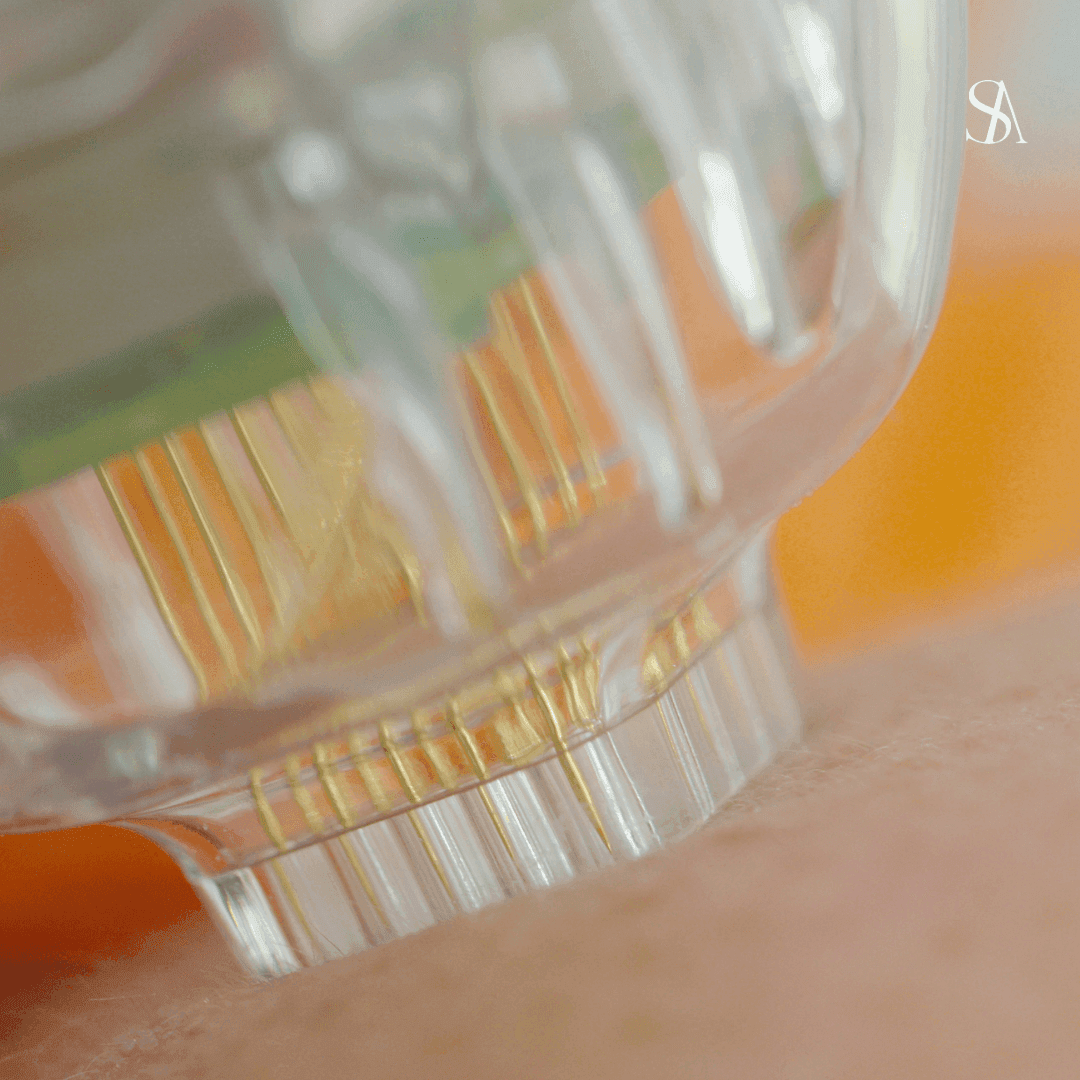
Micro-injectables are at-home skincare kits, often available as a subscription, designed to deliver active ingredients, like acids, peptides, or vitamins into the deeper layers of the skin using micro-needling or nano-needling devices. These tools create tny punctures in the skin’s outermost barrier, allowing serums to more effectively penetrate the skin than topical application alone. Micro-injectable serums come packaged in a small vials that have built-in needle tips. Whilst needling the face, the serums are injected into the skin.
Related Technologies
- Micro-needling: uses needles .25mm-1.5mm in depth to stimulate collagen and enhance ingredient absorption
- Nano-needling: uses thinner, non-invasive tips that do not penetrate the derms; this is a better option for sensitive skin
Do They Really Work?
Research supports the efficacy of transdermal delivery through micro-needling. A 2018 study published in the Journal of Clinical and Aesthetic Dermatology found that micro-needling significantly improves skin texture, firmness, and overall appearance by stimulating collagen production and enhancing product absorption. Another clinical review published in Dermatology Surgery noted that combining micro-needling with serums such as hyaluronic acid or growth factors resulted in greater skin rejuvenation than either treatment alone.
Key Benefits of At-Home Micro-Injectables
- Enhanced Product Penetration: mico-injectable methods increase absorption of key actives like vitamin C, retinol, and peptides
- Collagen Induction Therapy: triggers the body’s natural wound-healing response which boosts collagen and elastin
- Reduces Fine Lines and Wrinkles: over time, users see improvements in crow’s feet, forehead lines, and smile lines
- Improved Skin Texture and Tone: can reduce appearance of acne scars, enlarged pores, and uneven pigmentation
- Convenience and Cost-Effectiveness: offers more affordable and private alternative to in-office produces
Risks and Limitations
Despite the benefits, at-home micro-injectables come with certain risks, especially when not used correctly:
- Infection and Irritation: improper sterilization can lead to bacterial or fungal infections
- Skin Barrier Damage: overuse or incorrect needle depth can impair the skin barrier leading to inflammation or hyperpigmentation
- Uneven Results: without professional training, results may be inconsistent or suboptimal
Who Are the Ideal Candidates?
The ideal candidates for at-home micro-injectables are those who:
- Want to combat early signs of aging
- Have minor acne scarring or dull skin
- Are looking to boost their skincare routine with enhanced absorption
At-home micro-injectables are not recommended for those who:
- Have active acne, eczema, rosacea, or other skin ailments
- Are pregnant, breastfeeding or trying to conceive
Are At Home Kits a Replacement for Professional Treatments?
The short answer — no. The long answer — they offer noticeable improvements for mild skin concerns and are the more affordable and convenient option, but they are not a true substitute for clinical treatments. Instead, micro-injectables can serve as an effective maintenance tool or preventative skincare measure.
Can Micro-Injectables Be Replaced With A Dermal Roller and Topical Serum?
No. MIcro-needling followed by serum application cannot completely mimic the effects of a true micro-injectable. Here are a few reasons why:
- Differences in Action: micro-needling creates small punctures in the skin and it’s primary function is to encourage wound-healing, which naturally creates excess collagen. While these punctures can increase product absorption, this method would not allow for direct penetration of products in the same way as a true micro-injectable application
- Targeted Treatment: micro-injectable services can offer ultra-custom serums for specific skin concerns that over-the-counter products cannot
- Cleanliness: while micro-injectables come in sterile, single-use packaging, at-home micro-needles can be prone to collecting bacteria from improper cleaning and storage
Final Thoughts: Are At-Home Micro-Injectables Worth It?
Backed by science and dermatological insight, at-home micro-injetables can be a game changer for those looking to elevate their skincare regime. When used responsibly, they offer a compelling blend of evidence, convenience, affordability, and visible results. However, understanding the risks and limitations is key to making an informed decision. For those new to microinjectables, consider consulting with a licensed dermatologist before beginning any at-home treatment.