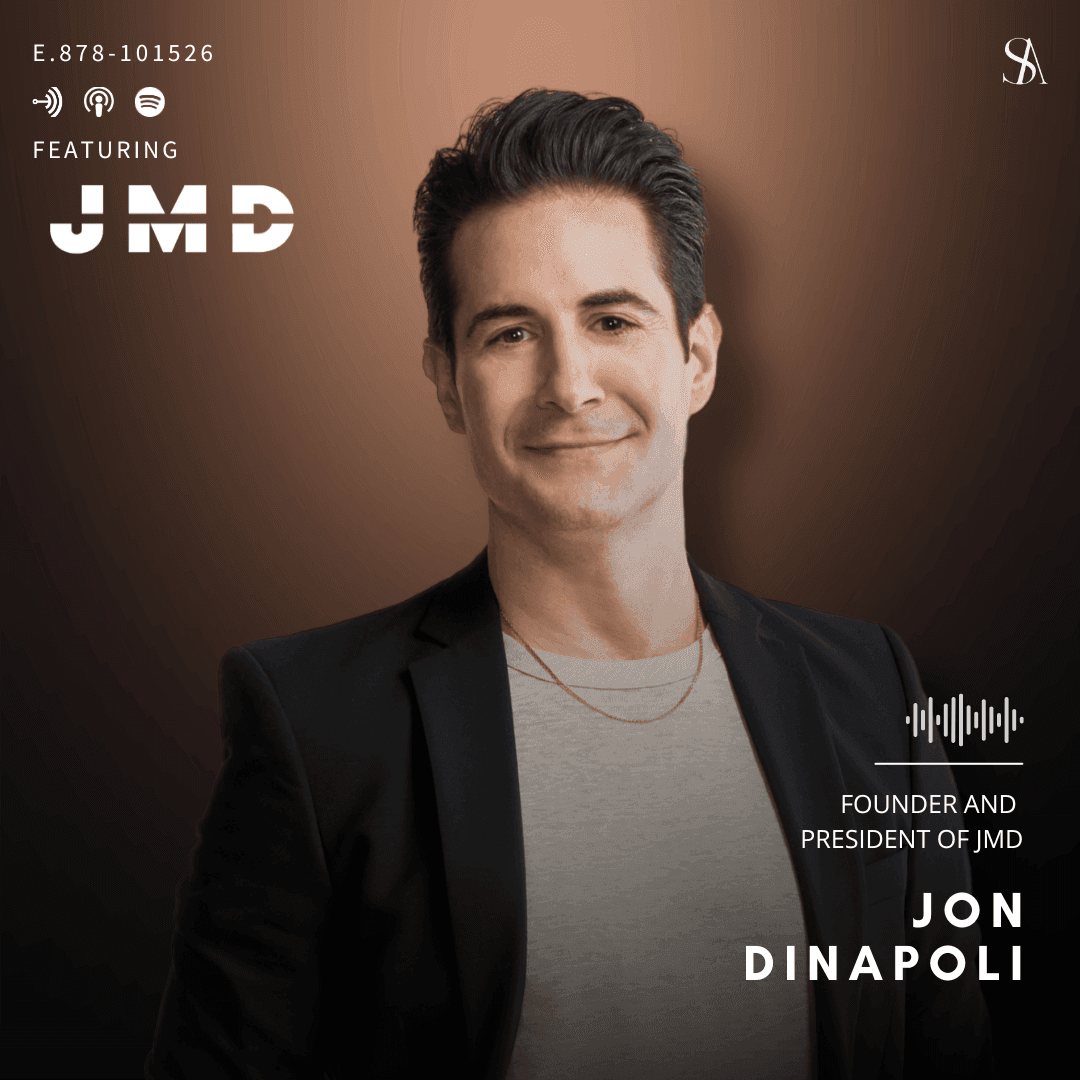
Jon DiNapoli, founder of creative agency JMD and designer behind fragrances for Sabrina Carpenter, Billie Eilish, and Tommy Hilfiger, joins Skin Anarchy to unpack how a brand comes alive: where creative direction starts, why packaging now sells the product, and how to balance art, cost, and commerce.
How did Jon DiNapoli get into beauty branding?
Through a newspaper ad his mother circled. A graphic design graduate, he answered an Estee Lauder listing 27 years ago and was mentored by industry figure Catherine Walsh. "It's this one little push from mom that kind of catapulted this career in a direction that I'm still pushing in," he says, having worked under Walsh over 15 years before founding JMD.
Where does creative direction for a brand start?
With questions, not sketches. DiNapoli's first move is extracting everything he can before designing, because a brand only works if it is true to itself. "Anyone can put a brand out on the market, but it's not going to work unless it's authentic to that brand itself." A Marc Jacobs fragrance has to feel like Marc Jacobs, not like him.
What white space led him to start JMD?
The gap between creative talent and business know how. As a creative lead at Coty, DiNapoli sat in sales, PR, and financial meetings, learning what sells and how products get made. "There were many agencies that were amazing... but they didn't have that back end knowledge," so he built JMD to pair design with years of brand side experience.
How important is sustainability in beauty packaging now?
It is no longer optional. DiNapoli says clean and sustainable design has shifted from a differentiator to a baseline expectation. "It used to be you stand out if you're sustainable... now it's the price of doing business. If you're not, you fail." His team revisits even launched products, like a Clean Reserve cap moved to fully wooden construction.
How do you design a brand that can grow?
By building expansion in from the first bottle, so a single launch can become a franchise. With Sabrina Carpenter's Sweet Tooth, the pink chocolate bar bottle was designed to extend into flavors. "When she launched... the song Espresso, we quickly did an espresso fragrance," because the brand had legs to grow with the artist.
What makes packaging rise above the noise?
A clear hook and a story that reads instantly. DiNapoli treats packaging as art you want to display, and tests it ruthlessly: picture only the box on a shelf. "Is that gonna tell the story? Are they gonna know what we're trying to say? And if not, we're not doing our job right." The constant is balancing commerce against art.
Why is packaging more important than ever?
Because people now buy fragrance without smelling it. With digital retail and social media replacing the store counter, the bottle is the first and often only point of entry. "People are buying fragrances now without knowing what they smell like," DiNapoli says, which magnified the role of packaging.
How do you balance packaging cost against the formula budget?
By knowing the budget before designing anything. DiNapoli says nothing frustrates him more than a brief with no real budget, because beautiful work that runs triple the cost is pointless. "If they're three times over the budget, what's the point?" Experience lets him design within the right price world from the start.
How does skincare branding differ from fragrance?
Efficacy comes first, packaging second. For skincare, DiNapoli says the clinical result matters most, and the design must still tell the story without overshadowing the science. He points to the Italian brand Aquium, created by an oncologist for dry, cracked skin, where "the two came together," pairing a proven formula with elevated design.
Listen to the full episode with Jon DiNapoli of JMD on Skin Anarchy, available wherever you get your podcasts.