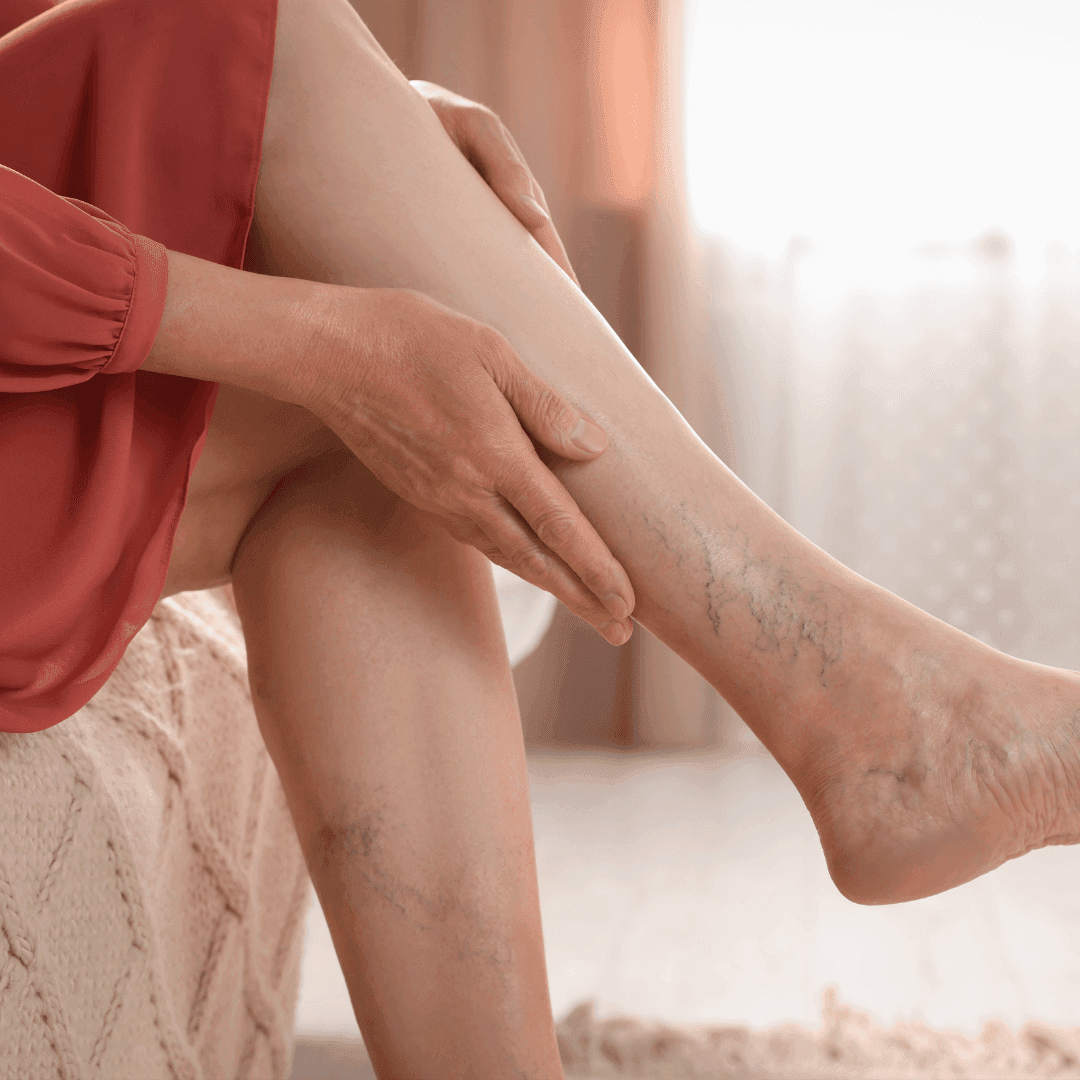
Varicose veins are a common condition affecting millions worldwide. These twisted, enlarged veins often appear on the legs and feet, leading to discomfort and cosmetic concerns. Fortunately, advancements in varicose vein therapy offer effective solutions for both symptoms and aesthetics. In this article, we’ll explore varicose vein treatments, their benefits, and what you need to know to make informed decisions about your vascular health.
What Are Varicose Veins?
Varicose veins occur when the valves in your veins malfunction, causing blood to pool and veins to enlarge. While often hereditary, other factors like age, prolonged standing, pregnancy, and obesity can increase your risk.
Common symptoms include:
- Swelling in the legs or ankles
- Aching or throbbing pain
- Skin discoloration around the veins
- Visible, bulging veins
If left untreated, varicose veins can lead to complications such as ulcers, blood clots, or chronic venous insufficiency.
Top Treatments for Varicose Veins
Modern medicine offers a range of therapies to manage and treat varicose veins effectively. Here’s a breakdown of the most common options:
1. Sclerotherapy
Sclerotherapy is one of the most popular and minimally invasive treatments for varicose and spider veins. During the procedure, a healthcare provider injects a solution directly into the vein, causing it to scar and collapse. Blood is then rerouted through healthier veins, and the treated vein is reabsorbed by the body.
Key Benefits:
- Minimally invasive
- Quick procedure (15–30 minutes)
- Little to no downtime
According to the Cleveland Clinic, sclerotherapy has a high success rate, especially for smaller varicose veins and spider veins. It often requires multiple sessions for optimal results.
2. Laser Therapy
Laser treatments use intense bursts of light to close off smaller varicose veins and spider veins. Endovenous laser therapy (EVLT) is a more advanced option for larger veins.
Key Benefits:
- No needles or incisions for surface veins
- Effective for hard-to-reach veins
- Short recovery time
3. Surgical Procedures
For severe cases, surgical options like vein stripping or ambulatory phlebectomy may be recommended. These involve removing or tying off the affected veins.
Key Benefits:
- Effective for large or complex veins
- Long-lasting results
4. Lifestyle Changes and Compression Therapy
While not a standalone treatment, lifestyle modifications and compression stockings can manage symptoms and prevent the progression of varicose veins.
Key Recommendations:
- Regular exercise to improve circulation
- Elevating your legs to reduce pressure
- Wearing compression stockings for symptom relief
Choosing the Right Treatment
Selecting the best treatment depends on the severity of your condition, your overall health, and your goals. Consulting a vascular specialist ensures a personalized approach tailored to your needs. Diagnostic tools like ultrasound can help determine the most suitable option.
When to Seek Help
While varicose veins are often a cosmetic concern, symptoms like persistent swelling, pain, or skin ulcers warrant medical attention. Early intervention prevents complications and improves overall vascular health.
Final Thoughts
With advancements in varicose vein therapy, managing this condition has never been more accessible. From minimally invasive sclerotherapy to lifestyle adjustments, there’s a treatment for every need. Whether you’re seeking symptom relief or a cosmetic fix, working with a qualified specialist ensures optimal outcomes.
Take the first step toward healthier veins today by exploring your treatment options with a trusted healthcare provider.