Tower 28 recently faced major backlash regarding their newest mineral sunscreen, SOS FaceGuard SPF 30. With a marketing campaign spanning various social media sites that focused on diversity and the claim that the zinc-based product would not leave a white cast, many had high expectations. Once the sunscreen launched, though, consumers were quick to learn that they had been misled, which has become a woefully common occurrence when brands release new SPF.
What Happened?
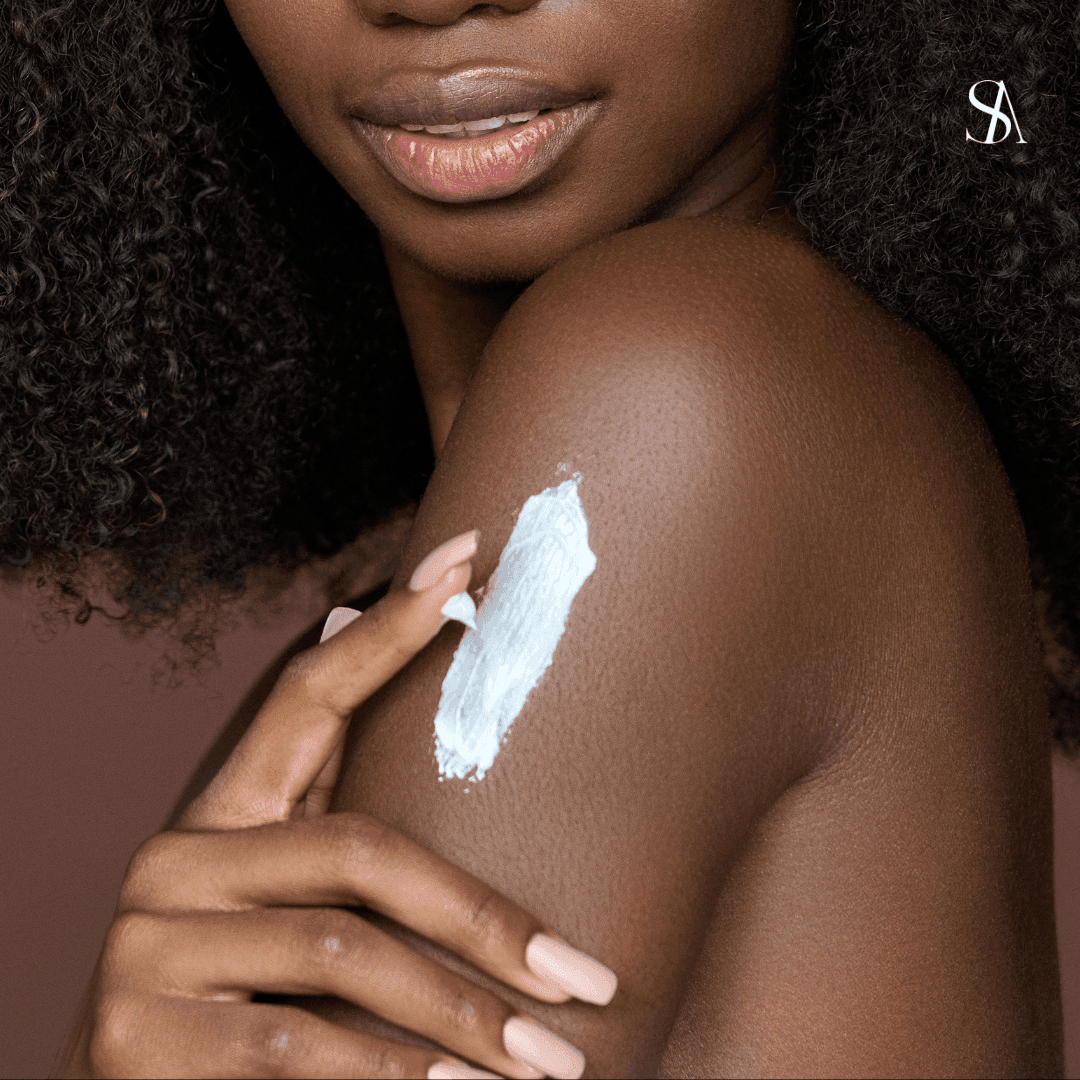
Criticism came rolling in on TikTok, Instagram, and YouTube, with darker-skinned customers applying the brand’s recommended ¼ teaspoon amount of sunscreen on camera to reveal that the tinted mineral sunscreen was extraordinarily white and chalky, leaving a white cast that left them looking ashy.
TikTok Users Debunked False Claims
Esther Olu, known by her username @themelaninchemist on TikTok, made a comprehensive video on the chemical composition of the sunscreen while demonstrating how the sunscreen appeared on her rich skin tone. As she rubbed it on her hands and face, she explained that the sunscreen was, in fact, not a pure mineral sunscreen, but a hybrid sunscreen. SOS FaceGuard SPF 30 is 12% zinc oxide, with butyloctyl salicylate and ethylhexyl methoxycrylene, both being SPF boosters to enhance UV protection. Furthermore, when applying the appropriate amount of sunscreen, the product did leave an obvious white cast which dulled Olu’s skin, which was something many darker skinned users experienced for themselves.
Unfortunately, a quick perusal of social media tags shows that this is not an isolated incident. POC were vocal about how the sunscreen left an obvious cast on their skin, with many saying they felt that the marketing was deceitful, as Tower28 showed darker models using the product but, in practice, was not catering to them– something unexpected from a minority founded and operated brand.
This would not be such a point of contention for consumers if Tower28 did not hinge a majority of its marketing on these claims. After the negative reactions hit a peak on social media, Tower28 redacted these claims and edited their storefront to remove mentions of it being a zinc-only, cast-free product.
Misinformation in SPF Marketing
Tower28 is just the latest in a growing list of beauty brands facing backlash over misleading SPF claims. Primally Pure, a brand that touts its usage of minimally-processed ingredients and holistics recently came under fire when Teo Soleymani, a prominent dermatologist based in California, was featured in their marketing with out-of-context quotes from him that were not tied to the brand. He publicly distanced himself from the company, stating he did not endorse their SPF claims, pointing out the many contradictions in an Instagram post. Primally Pure has not removed the inaccurate billboards in California about its mineral sunscreen, and has since doubled down on the claims surrounding it.
Similarly, Drunk Elephant faced criticism when users discovered discrepancies between the advertised benefits and real-world performance of their Umbra Tinte Mineral Cream sunscreen drops, which many said offered minimal protection and an unflattering white cast despite claims of inclusivity and varied tint shades to cater to darker skin.
These controversies underscore a larger issue: brands often capitalize on trending tags on social media like “clean,” “reef-safe,” or “universal tint” without offering the transparency or evidence to support such claims.
What Consumers Should Look Out For
As sunscreens are a very complex product with the potential to cater to different needs, skin types, skin tones, and settings, it can be difficult for consumers to determine fact from fiction when brands promote their sunscreens. Trends also dictate how this information is relayed to the public, further obfuscating the truth under a veneer of buzzwords.
As brands continue to lean into the clean beauty aesthetic without regard to the verity of their advertising, it is important to keep in mind that “clean” and “minimally processed” do not always mean it is inclusive or as beneficial as chemical products. Complex and tintless hybrid sunscreens dominate the beauty sphere in Korea and Japan, as the chemical compounds that are utilized offer broad-spectrum UV coverage and are formulated in a way that caters to all skin tones without leaving a white cast.
In the face of the ever-changing landscape of the beauty industry and the trends that shape it, it is imperative that consumers investigate claims made by the many brands that seek to capitalize on their needs and interests, particularly when a facet of their identity is being targeted and sold back to them.