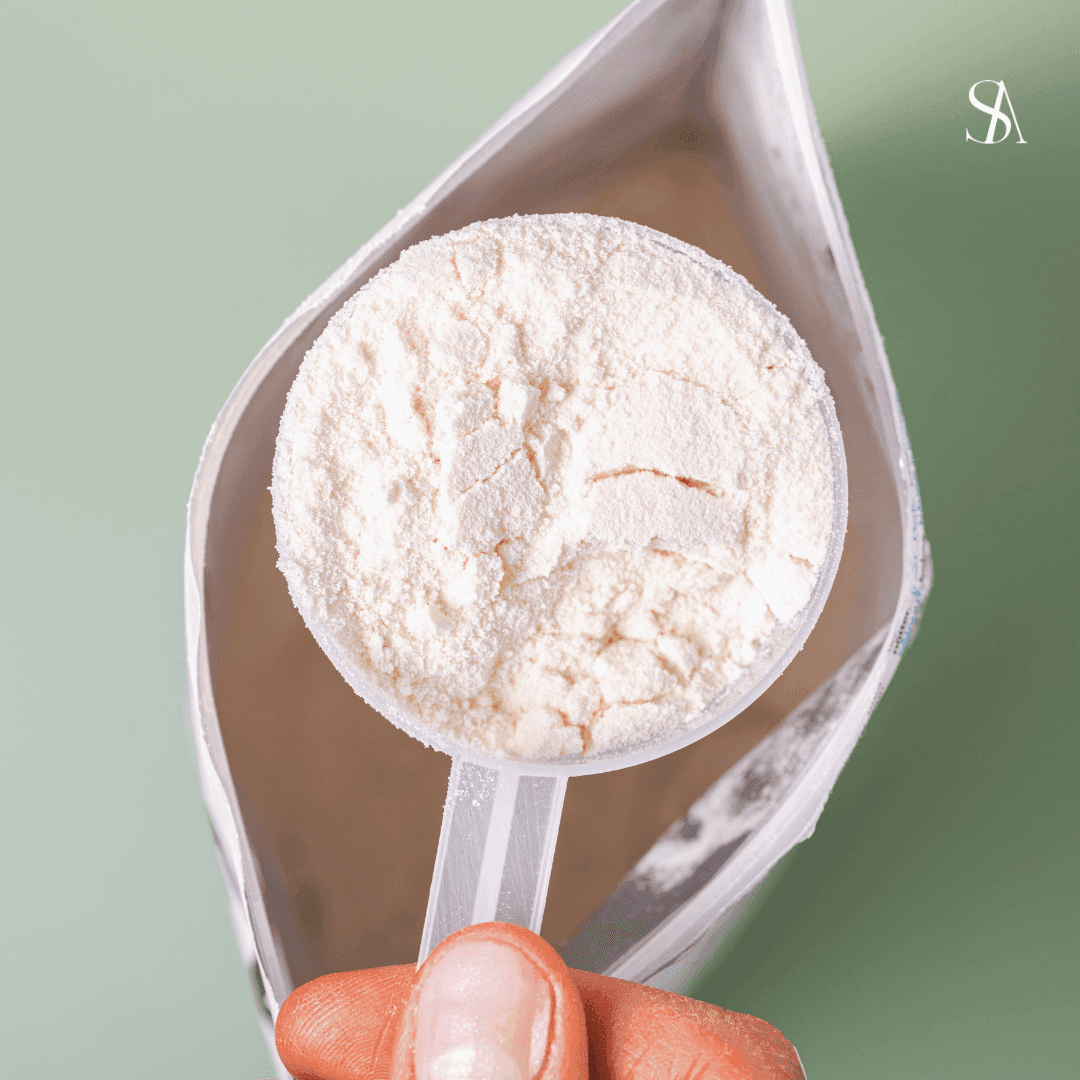
Walk into almost any beauty retailer today and it becomes immediately clear that skincare no longer ends at the surface of the skin.
Shelves that were once dominated by creams, serums, and treatments now share space with capsules, powders, gummies, and sachets promising brighter skin, stronger hair, improved elasticity, reduced pigmentation, healthier aging, and even support for cellular repair. Collagen has become a morning ritual. Biotin has become synonymous with hair health. Glutathione has evolved from a relatively obscure antioxidant into one of the most recognizable names in aesthetic wellness.
What makes this shift particularly interesting is not the size of the category, although the global beauty supplement market was estimated at more than $3 billion and continues to grow as consumers become increasingly interested in preventative wellness. The more revealing question is why so many ingredients become household names before researchers have reached clear consensus about what they actually do.
Beauty consumers have always embraced possibility. What feels different now is the speed at which possibility becomes belief.
The Beauty Supplement Timing Problem
Most consumers assume products become popular because they are supported by strong evidence. In reality, beauty culture rarely develops in such a linear way.
One of the less discussed realities of the beauty supplement market is how frequently public awareness expands faster than scientific certainty.
For example, the systematic review examining glutathione's role in pigmentation identified only a limited number of randomized controlled trials despite the ingredient's enormous cultural visibility (Sarkar et al., 2025). This is not unusual.
The modern beauty cycle often unfolds faster than science itself. An ingredient emerges from early research, finds an audience within wellness circles, gains visibility through social media, and quickly becomes part of everyday beauty language. By the time larger clinical reviews arrive, consumers have frequently moved beyond the question of whether the ingredient works and begun treating its effectiveness as an established fact. Scientific consensus, when it comes, is often responding to a conversation that has already taken place.
The timeline is important because it helps explain why some of beauty's most recognizable supplements exist in a strange position between scientific promise and scientific certainty.
Glutathione may be one of the strongest examples given that by the time many researchers were publishing systematic reviews examining glutathione's role in pigmentation and skin brightening, it had already become a beauty supplement rather than simply a molecule involved in antioxidant defense. In many ways, consumer interest developed faster than clinical evidence, creating a situation where public confidence and scientific confidence were not necessarily advancing together (Sarkar et al., 2025).
This pattern is increasingly common throughout beauty where rather than waiting for scientific consensus, consumers frequently become participants in the experiment itself.
How Glutathione Became Beauty's Favorite Molecule
Long before glutathione appeared in wellness clinics and supplement stacks, it existed primarily as a subject of biological research.
Naturally produced within the body and present in nearly every cell, glutathione functions as one of the body's most important antioxidants. Researchers have studied its role in oxidative stress regulation, detoxification pathways, immune support, and cellular defense mechanisms for decades (Stanescu et al., 2026).
Its transition into beauty happened because of pigmentation, which remains as one of the most challenging concerns in dermatology. Improvements often require months of consistency, diligent sun protection, and treatments that can produce highly variable outcomes. Against that backdrop, glutathione offered a remarkably attractive alternative. Rather than addressing pigmentation only from the surface of the skin, it suggested the possibility of influencing pigment pathways from within. That idea was powerful enough to drive enormous interest. The science, however, remains considerably more measured than many consumers realize.
A 2025 systematic review examining glutathione as a skin-lightening agent identified encouraging findings across multiple studies, including measurable reductions in melanin indices. At the same time, the authors noted substantial limitations involving sample sizes, study consistency, long-term outcomes, and methodological variability (Sarkar et al., 2025).
In practical terms, researchers are no longer asking whether glutathione can influence pigmentation under certain conditions. They are asking how meaningful those effects are, how predictable they are from person to person, and whether they can be maintained over time. Those questions rarely receive as much attention as the promise itself.
What Happens When Evidence Actually Arrives
If glutathione represents the gap between public belief and scientific certainty, collagen represents something different. Collagen may be one of the few beauty supplements whose cultural popularity eventually moved closer to the underlying evidence.
The category benefited from entering the market at a moment when consumers were becoming increasingly interested in preventative aging. Rather than promising dramatic transformation, many collagen products were marketed around maintenance. Consumers generally did not expect collagen to erase years of aging. Instead, they were encouraged to think in terms of gradual support for hydration, elasticity, and overall skin quality. That distinction matters.
Multiple reviews and clinical studies have reported improvements in hydration, elasticity, and selected markers associated with skin aging among participants taking hydrolyzed collagen supplements. Those improvements are generally measurable, though often more modest than consumers expect ("Effects of Collagen Supplements on Skin Aging," 2025).
Interestingly, collagen may have succeeded precisely because it asked less of consumers.
Rather than promising reinvention, it promised support.
In a beauty category often dominated by dramatic claims, that restraint turned out to be surprisingly credible.
The Ingredient Everyone Thinks They Understand
Few beauty supplements demonstrate the power of repetition quite like biotin.
Long before wellness influencers discussed cellular health or longevity, consumers were already associating biotin with stronger hair and healthier nails. The message became so widespread that it gradually stopped feeling like a marketing claim and started feeling like an established fact. However, the scientific reality is more nuanced.
Biotin plays an important role in normal physiological function and supplementation can be valuable for individuals experiencing a genuine deficiency. The challenge is that biotin deficiency is relatively uncommon in otherwise healthy populations. As a result, many consumers purchasing biotin supplements may not actually be correcting a nutritional gap (Van Wicklin, 2023).
What makes biotin particularly revealing is that consumer confidence often appears significantly stronger than the available evidence supporting routine supplementation for healthy individuals.
The popularity of biotin demonstrates how familiarity can become its own form of validation.
Eventually, consumers stop asking whether a claim is true because the claim has been repeated often enough to feel obvious.
Why Beauty Started Trusting Biology
The popularity of beauty supplements cannot be explained entirely through ingredient performance. It can, however, be understood through a broader cultural shift.
Historically, beauty products were marketed around outcomes. A moisturizer promised hydration. A brightening serum promised radiance. A treatment promised firmer skin. Today, beauty increasingly revolves around mechanisms.
Consumers are increasingly introduced to products through the biological processes they claim to influence rather than the results they promise to deliver. The language of beauty has gradually become the language of physiology.
This transformation helps explain why supplements have become such a powerful category. They offer something that traditional skincare often cannot: the feeling of participation in a process that exists beneath the skin's surface. Rather than responding to visible changes after they occur, consumers are encouraged to imagine themselves influencing the biological systems believed to shape those changes in the first place. In many ways, beauty supplements arrived at a moment when consumers were already becoming more interested in prevention than correction. The appeal is not simply that a capsule might improve the appearance of the skin. It is that the capsule appears to offer access to something deeper, a biological explanation for why skin ages, why pigmentation develops, or why hair changes over time.
Beauty has always sold aspiration, but aspiration increasingly arrives dressed in scientific language. Supplements succeed not only because they promise a result, but because they provide a framework through which consumers can understand the result. The product becomes secondary to the story it tells about the body itself.